


Instant ARK File Compatibility – FileMagic
페이지 정보

본문
An ARK file typically functions as a multi-file container similar to a ZIP but without industry-wide rules, so the true format depends on the creator application; game engines frequently pack textures, audio, models, world data, and scripts inside ARK archives for efficiency and organization, while some tools treat ARK as a proprietary or encrypted data file used internally for storing settings, indexes, caches, or project material inaccessible outside the original software.
To figure out what kind of ARK file you have, the file’s placement offers major clues, as ARKs in game install paths or mod distributions tend to be game asset bundles, while ones produced by backup/security workflows could be encrypted, and those sitting beside logs, databases, or configs may be internal caches; file size helps distinguish large game archives from tiny index files, and trying 7-Zip or WinRAR can confirm if it’s a readable archive, otherwise you’re dealing with a proprietary or encrypted format that needs the correct tool.
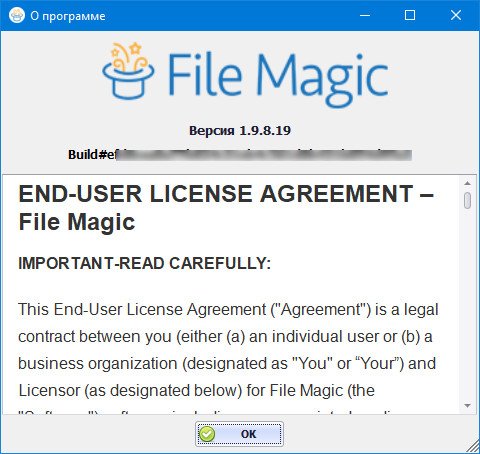 When you loved this informative article along with you want to be given more information with regards to ARK file support i implore you to stop by our own web-page. To open an ARK file, the proper first step is assuming it may be any container type, testing with 7-Zip/WinRAR to see if it functions like a standard extractable archive; if it opens, extract and inspect the files, but if it doesn’t, the ARK is likely proprietary/encrypted, meaning the correct opener depends on its origin—game files need title-specific tools, while app-internal ARKs generally only open within the software, making clues like file size, directory path, and source essential in choosing the right tool.
Knowing the device you’re using and the ARK file’s origin shapes the entire opening process, as `.ark` isn’t one defined type; Windows can test extraction with 7-Zip/WinRAR or inspect headers, while Mac users often need alternative extractors or the original application, and the source folder usually identifies the format: game directories imply game asset bundles that need modding tools, backup workflows suggest encrypted archives needing the parent program, and app-data locations indicate internal files not meant for extraction, making OS plus origin the fastest way to the right tool.
When we say an ARK file is a "container," we’re highlighting that it’s a wrapper object instead of being the content itself, holding things like textures, sounds, models, maps, and config files with an internal lookup table; developers use containers to tidy up thousands of loose files, improve load times, compress data, and add optional protection, so an ARK usually requires the original software or a matching extractor to open and access the real files.
What’s actually inside an ARK container is tied to the tool that generated it, though in many real-world cases—especially gaming—it’s essentially a packed library of resources like textures (DDS/PNG), audio (WAV/OGG), models, animations, level data, scripts, configs, and organizing metadata, plus an internal table of contents listing each file’s name/ID, size, and byte position so the engine can jump straight to what it needs; designs may include compression, chunking, or encryption/obfuscation, meaning some ARKs open in 7-Zip while others only work with their original software or a game-specific extractor.
To figure out what kind of ARK file you have, the file’s placement offers major clues, as ARKs in game install paths or mod distributions tend to be game asset bundles, while ones produced by backup/security workflows could be encrypted, and those sitting beside logs, databases, or configs may be internal caches; file size helps distinguish large game archives from tiny index files, and trying 7-Zip or WinRAR can confirm if it’s a readable archive, otherwise you’re dealing with a proprietary or encrypted format that needs the correct tool.
When you loved this informative article along with you want to be given more information with regards to ARK file support i implore you to stop by our own web-page. To open an ARK file, the proper first step is assuming it may be any container type, testing with 7-Zip/WinRAR to see if it functions like a standard extractable archive; if it opens, extract and inspect the files, but if it doesn’t, the ARK is likely proprietary/encrypted, meaning the correct opener depends on its origin—game files need title-specific tools, while app-internal ARKs generally only open within the software, making clues like file size, directory path, and source essential in choosing the right tool.Knowing the device you’re using and the ARK file’s origin shapes the entire opening process, as `.ark` isn’t one defined type; Windows can test extraction with 7-Zip/WinRAR or inspect headers, while Mac users often need alternative extractors or the original application, and the source folder usually identifies the format: game directories imply game asset bundles that need modding tools, backup workflows suggest encrypted archives needing the parent program, and app-data locations indicate internal files not meant for extraction, making OS plus origin the fastest way to the right tool.
When we say an ARK file is a "container," we’re highlighting that it’s a wrapper object instead of being the content itself, holding things like textures, sounds, models, maps, and config files with an internal lookup table; developers use containers to tidy up thousands of loose files, improve load times, compress data, and add optional protection, so an ARK usually requires the original software or a matching extractor to open and access the real files.
What’s actually inside an ARK container is tied to the tool that generated it, though in many real-world cases—especially gaming—it’s essentially a packed library of resources like textures (DDS/PNG), audio (WAV/OGG), models, animations, level data, scripts, configs, and organizing metadata, plus an internal table of contents listing each file’s name/ID, size, and byte position so the engine can jump straight to what it needs; designs may include compression, chunking, or encryption/obfuscation, meaning some ARKs open in 7-Zip while others only work with their original software or a game-specific extractor.
- 이전글Крупные выигрыши в онлайн игровых заведениях 26.02.20
- 다음글Do Your Jaw Muscles Feel Tender? 26.02.20
댓글목록
등록된 댓글이 없습니다.


